Chinese Students in the U.S. Face Growing Uncertainty Amid Visa Crackdown

A sweeping visa policy change under the Trump administration has left many Chinese students in the United States facing uncertainty. Secretary of State Marco Rubio announced that the government would “aggressively” revoke visas from students with links to the Chinese Communist Party or those enrolled in sensitive academic fields. The move is part of a broader strategy aimed at reducing national security threats.
Rubio further elaborated that the visa system would undergo a complete overhaul to increase scrutiny of applicants from China and Hong Kong. As part of this initiative, US embassies have been instructed to halt student visa interviews. The State Department is also expanding social media vetting of applicants, which could make future approvals even more difficult.
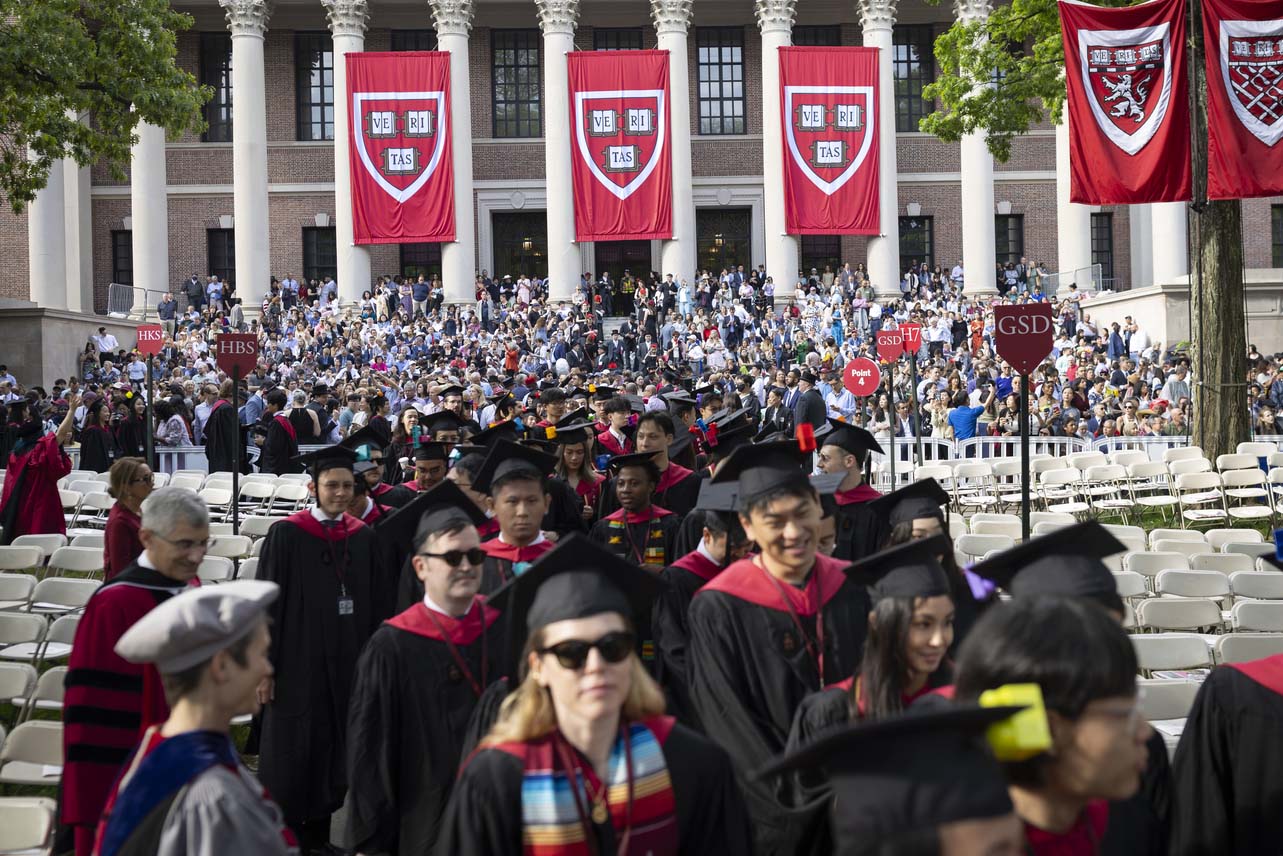
Chinese students were once the largest group of international students at US universities. That trend has reversed in recent years due to stricter immigration rules and pandemic disruptions. Last year, roughly 280,000 Chinese students were studying in the US, according to government figures. However, the number continues to drop as relations between Washington and Beijing grow colder.
For many Chinese students, the visa changes have cast a shadow over their academic futures. Some fear they may not be able to finish their degrees or even remain in the country. Students are reporting increased anxiety and a sense of vulnerability as they watch their status hang in the balance. The fear of sudden deportation is now a daily concern.
One student from Shanghai, who chose to remain anonymous, said they already regret coming to the US. A master’s student at the University of Pennsylvania, the 22-year-old fears their visa could be revoked before they graduate. “I feel like I’m living on borrowed time,” they said. “It’s terrifying not knowing if I’ll even finish what I started.”
The administration has already taken similar steps against foreign students in the past, including deportations and mass revocations of valid visas. Several of these actions have faced legal roadblocks, but the overall policy direction has remained aggressive. Additionally, the government has frozen millions in university funding, accusing elite institutions of being too liberal and failing to curb antisemitism.
American universities could suffer significant financial consequences as international student enrollment falls. Chinese students, in particular, pay higher tuition rates, making them a critical source of revenue. A sharp decline in enrollment could lead to budget shortfalls, staff layoffs, and reduced academic offerings—issues that would impact all students, not just internationals.
As political tensions between the US and China escalate, the lives of individual students are increasingly being affected. The once-straightforward path of earning a degree in the US has become laden with roadblocks. Many students are now questioning their decision to study in America, wondering whether the risk is worth the uncertain reward.
What's Your Reaction?