Fire and Silence: India and Pakistan’s Conflict Ends, But Rivalry Persists

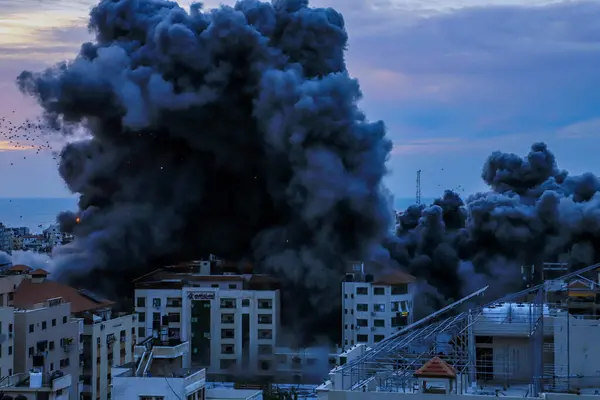
The latest military confrontation between India and Pakistan may have lasted only a short while, but its aftermath has ignited a different kind of battle—one of pride, narrative, and political posturing. As both nations scramble to control the global perception of what transpired, the truth lies somewhere between celebration and silence, wrapped in decades of mutual hostility.
In India, the immediate media reaction was triumphant. As soon as the ceasefire was announced, headlines like “Pakistan Surrenders” flooded TV screens. Indian Defense Minister Rajnath Singh praised the strikes as a clear and resolute retaliation to the killing of tourists in Kashmir, declaring it a warning to those who seek to destabilize Indian sovereignty through terror.
In stark contrast, Pakistan erupted in a show of national pride. Prime Minister Shehbaz Sharif hailed the country’s military response as a turning point in their history. Addressing jubilant crowds, he claimed Pakistani jets swiftly silenced India’s offensive capabilities, turning the tide of conflict within hours. Symbolic acts, including burning effigies of Indian leaders, marked the streets of Islamabad.
The air war claims are among the most hotly contested aspects of the conflict. Pakistan insists it shot down five Indian fighter jets, including three Rafales—India’s most advanced warplanes. While Indian officials have denied suffering any losses, two crashes near the border and intelligence from French sources suggest that Pakistan may indeed have scored a significant hit.
India, for its part, countered with satellite images showing damage to Pakistani military installations. Officials claimed the strikes disabled key infrastructure at several bases, proving Indian aerial superiority. Pakistan downplayed the claims, saying the images were either inconclusive or exaggerated, further deepening the dispute over what really occurred during the exchange.
The sudden ceasefire was not born of mutual understanding, but U.S. diplomacy. President Trump unexpectedly declared the agreement via social media, while U.S. Secretary of State Marco Rubio and Vice President JD Vance worked behind the scenes to de-escalate tensions. Pakistan acknowledged and thanked the U.S. for its role. India, on the other hand, claimed the ceasefire was a direct agreement between the two nations.
India’s reluctance to credit the U.S. stems from a longstanding resistance to outside involvement in the Kashmir issue. The region has been a point of contention for decades, with India insisting it is a strictly internal matter. While Trump offered to mediate a long-term peace deal, India brushed it aside. Pakistan, however, welcomed the idea.
Though the guns have gone silent, the rhetoric has only grown louder. Both nations continue to insist on their own version of events while ignoring the root cause of the hostilities. The Kashmir dispute remains unresolved, and the recent ceasefire does little more than pause the conflict rather than solve it. Future flare-ups seem inevitable.
Until both India and Pakistan are willing to confront the core issue and engage in meaningful negotiations, each temporary truce will merely be a chapter in an ongoing saga. National pride, political gain, and historical grievances continue to fuel a rivalry that no ceasefire, however dramatic, can truly extinguish.
support us via https://sociabuzz.com/infohit/tribe
What's Your Reaction?