Tariffs and Tensions: Trump’s Trade War Echoes the Past
From Smoot-Hawley to Trump: The Return of Trade War Fears

In a bold and controversial move, U.S. President Donald Trump reignited global trade tensions by imposing sweeping tariffs since his return to office on January 20. The most notable decision came on April 2, a day Trump referred to as "Liberation Day," when he announced a uniform 10% tariff on all imported goods entering the United States. This drastic action was quickly followed by even steeper tariffs on selected countries, sending shockwaves across international markets.
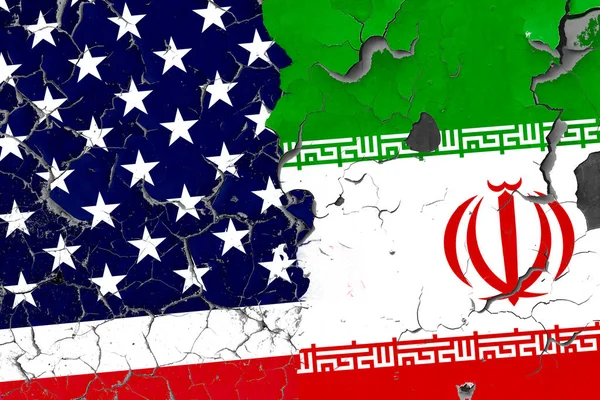
Countries such as China and members of the European Union faced especially harsh measures, with tariffs of 34% and 20% respectively. Trump defended his decisions as efforts to address America’s growing trade deficit, claiming that protecting U.S. industries would restore economic strength. However, this protectionist stance was met with swift retaliation, particularly from China, heightening fears of a full-blown trade war.
Economic analysts have drawn strong comparisons between Trump’s approach and the Smoot-Hawley Tariff Act of 1930, which many blame for deepening the Great Depression. After that law was enacted, global trade deteriorated significantly, with U.S. imports and exports both dropping by roughly 40%. In a tit-for-tat fashion, several countries responded by raising tariffs against American products, leading to a spiraling economic collapse.
The global ramifications of the 1930s tariff war were devastating. International trade reportedly fell by about 65%, and the financial fallout triggered widespread bank failures and deeper economic instability. Today’s economists worry that the world could witness a similar domino effect if the current trade disputes escalate without resolution, especially given the fragile state of post-pandemic economies.
Recent research underscores that modern tariffs often hinder economic performance rather than bolster it. While intended to stimulate domestic production and job growth, such policies frequently end up driving inflation and slowing growth. As foreign goods become more expensive, consumers and small businesses bear the brunt, facing higher costs without proportional income gains.
Trump’s first term offered a preview of these consequences. Several studies revealed that tariffs imposed during that period increased costs for U.S. companies and consumers alike. From electronics to groceries, prices surged across multiple sectors. In essence, tariffs functioned as an invisible tax, burdening American households instead of delivering the promised economic relief.
Despite their political appeal and symbolic weight, tariffs contribute minimally to the federal budget. The revenue they generate pales in comparison to income from personal and corporate taxes. This raises questions about their effectiveness as a fiscal strategy and whether the short-term political gains are worth the long-term economic risks they pose.
What's Your Reaction?