Razor-Thin Win Propels Reform UK into Political Spotlight
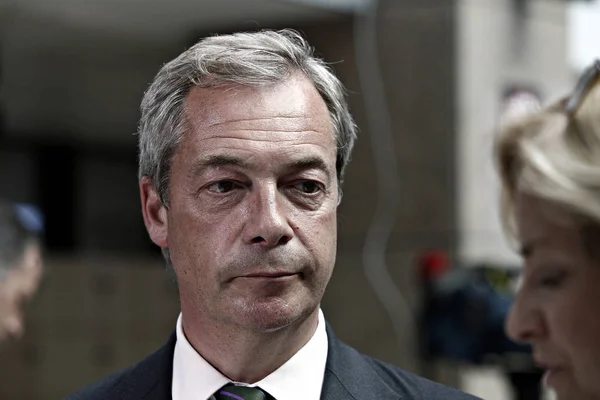
In a surprising political shakeup, the right-wing Reform UK party, led by Nigel Farage, has made a breakthrough in the British Parliament. Sarah Pochin narrowly secured the Runcorn and Helsby seat in northwest England by just six votes after a recount, defeating Labour’s Karen Shore. The seat, previously considered safe for Labour, was left vacant after former MP Mike Amesbury resigned following his conviction for assault.
Despite being one of the closest wins in British parliamentary history, Farage described the result as a major milestone. He emphasized the symbolic weight of the victory, which he hopes will demonstrate Reform UK’s growing relevance in national politics. The recent local elections across England have become a key litmus test for public opinion on Prime Minister Keir Starmer’s Labour government, elected in a landslide just 10 months ago.
The addition of the Runcorn seat brings Reform UK’s total to five out of 650 seats in the House of Commons. The party, which garnered roughly 14% of the vote in last year’s general election, now sees itself as a serious contender. Current polling suggests Reform’s popularity is neck-and-neck with both Labour and the Conservatives, with ambitions to become the leading right-wing force by the next national election, expected by 2029.
Early local election results also indicate that Reform is on track to win the newly formed mayoral seat of Greater Lincolnshire. While Labour managed to hold onto three other mayoralties, Reform has its sights set on gaining hundreds of municipal positions. These elections will determine control over 1,600 local council seats, six mayoralties, and the one parliamentary seat already claimed by the party. Most of the ballots were still being counted on Friday.
A large portion of the contested local positions are currently held by the Conservative Party. Its leader, Kemi Badenoch, is under mounting pressure, especially if the party performs poorly. She acknowledged the difficulty of the situation, noting that the Conservatives had previously fared well in these regions during the 2021 elections under then-Prime Minister Boris Johnson, buoyed by public approval of the COVID-19 vaccine rollout.
Political experts have noted a shifting dynamic in the UK’s right-wing sphere. Tim Bale, a politics professor at Queen Mary University of London, remarked that the Conservatives and Reform are battling for control of the ideological direction of the British right. Farage’s populist agenda—focused on anti-immigration, job creation, and government efficiency—is also appealing to segments of Labour’s traditional working-class base.
Meanwhile, the Liberal Democrats, occupying the political center, aim to expand their influence by appealing to wealthier and socially progressive voters disillusioned with the Conservatives. As vote counts continue, the rise of Reform UK signals a potential realignment in British politics, posing serious challenges to both mainstream parties in the years to come.
What's Your Reaction?