Gaza’s Humanitarian Crisis: Starvation, Siege, and Silence
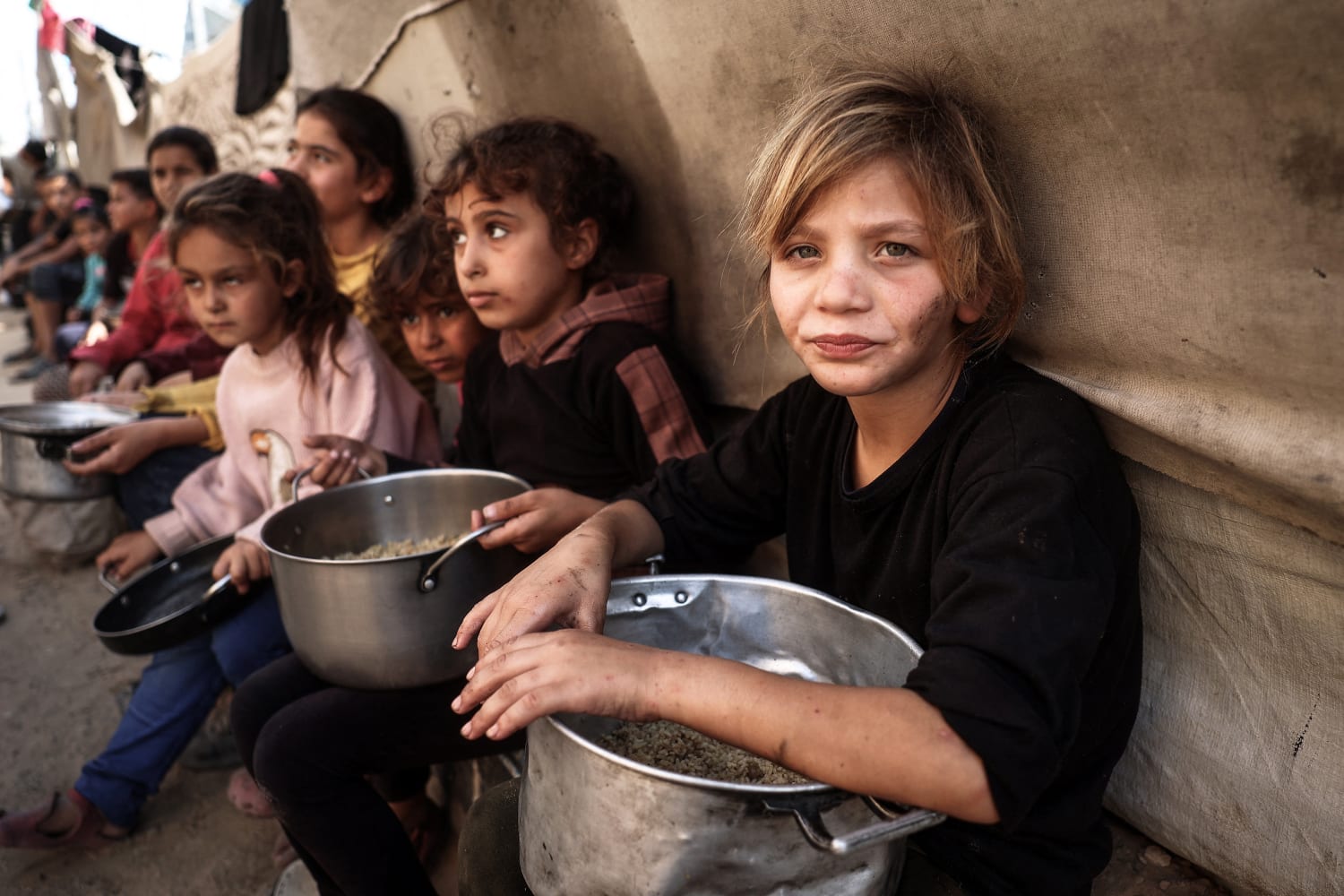
In Gaza, misery is measured not just in numbers but in scenes of devastation and hunger. With foreign journalists banned, local reporters risk their lives to document the horror. More than 200 Palestinian journalists have died while working, reminding the world that truth-telling remains a dangerous act in this war zone.
Unable to enter Gaza, international media now rely on the assessments of humanitarian groups. According to Pascal Hundt of the Red Cross, civilians are facing relentless violence, mass displacement, and a total lack of essential aid. He warned that the situation is dire and should not be allowed to worsen further.
Israel reignited its military campaign on March 18 with a large-scale bombardment that shattered a temporary ceasefire. At the same time, it blocked all humanitarian aid, including food and medical supplies. This blockade has deepened suffering, with no relief in sight for Gaza’s desperate civilian population.
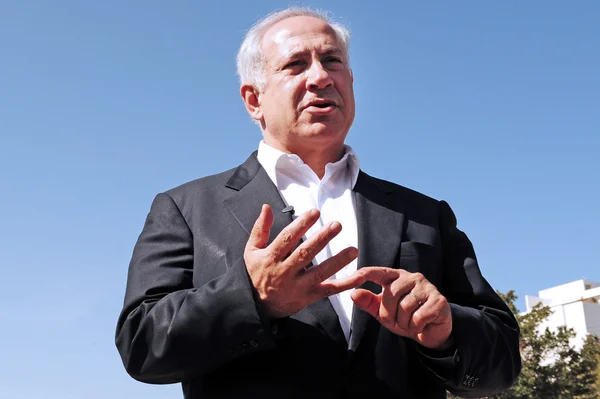
The second phase of the now-defunct ceasefire agreement would have involved releasing remaining hostages and Israel withdrawing from Gaza. However, Prime Minister Netanyahu and his hardline supporters refused the terms. They prioritize political survival over peace and have made it clear that withdrawal would be unacceptable under any circumstance.
Many of Netanyahu’s allies seek to replace Gaza’s Palestinian population with Israeli settlers. Netanyahu’s grip on power depends on these extreme voices. If he pursues peace, he risks losing office and facing potential legal consequences for both the October 7 intelligence failures and his ongoing corruption trial.
Israel’s next offensive is planned to follow Donald Trump’s tour of wealthy Arab Gulf states. The upcoming assault will focus on forcibly relocating civilians and intensifying military operations. The term “displacement” belies its true meaning: chaos, fear, and families fleeing again with nowhere safe to go.
Gaza was densely populated even before the war. Now, hundreds of thousands of residents are being forced into an increasingly narrow southern strip near Rafah. The UN reports that 70% of Gaza is now essentially inaccessible to civilians. The goal appears to be crowding Gazans into a shrinking prison.
Israel argues that Hamas interferes with aid distribution, but humanitarian organizations strongly dispute this claim. UN agencies have rejected a joint Israel-U.S. proposal involving private security firms distributing aid, fearing the effort would be militarized. Many now believe the aid blockade is a deliberate strategy, not an unfortunate side effect.
In an interview from London, UNRWA Commissioner-General Philippe Lazzarini said he’s running out of words to describe the suffering. Gaza’s population, he said, has had no access to food or basic supplies for months. He warned that without immediate aid, people will start dying from starvation, not just bombings.
The latest data from the Integrated Food Security Phase Classification (IPC) paints a bleak picture. Every person in Gaza, over two million people, is experiencing acute food insecurity. Nearly half a million people are in “Phase 5 – catastrophe,” which means imminent risk of starvation, malnutrition, and death.
Lazzarini directly accused Israel of using food and aid denial as weapons of war. While it’s up to the International Court of Justice to determine genocide, he believes there’s no doubt that massive atrocities are occurring. The level of destruction, he said, is staggering and could meet the legal threshold for genocide.
Protests are growing within Israel as well. Families of hostages and military reservists accuse the government of sacrificing lives for political reasons. Meanwhile, international criticism continues to rise. Lazzarini warned that history will remember this era as one where the global community watched atrocities unfold—and largely did nothing.
What's Your Reaction?